BUILDING CORE STRENGTH.
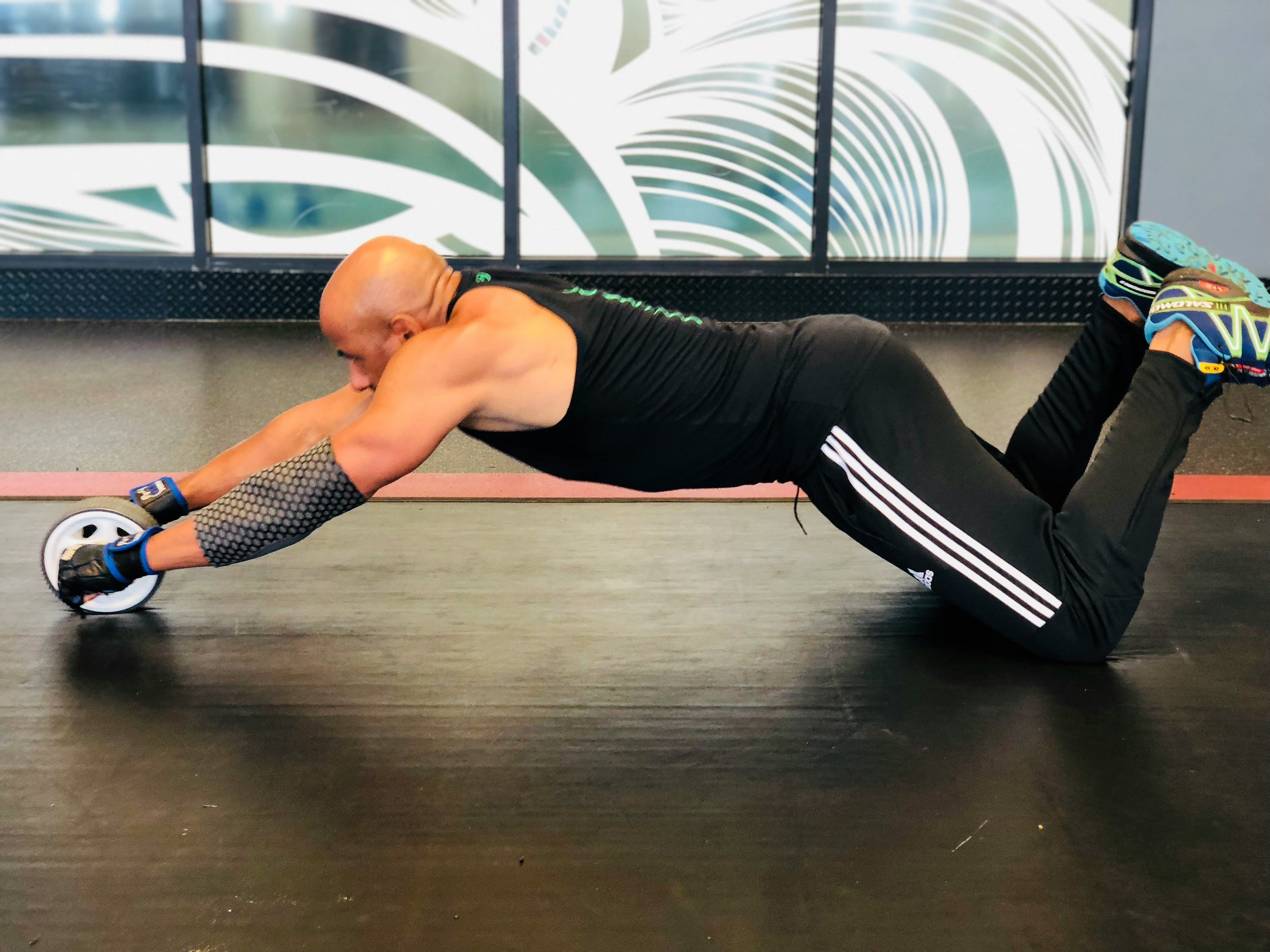
Building your core strength isn’t about doing just crunches.
If you’ve ever been told to “do more crunches” to strengthen your core, you’re not alone.
Crunches have long been seen as the go-to abdominal exercise. But in reality, they are not the most effective and for many people with back pain, neck tension, or poor posture, they can actually make symptoms worse.
At JY Exercise Physiology, I teach people how to build real, functional core strength without ever doing a single crunch.
Because your core is not just about your abs. It’s about how well your body stabilises, transfers force, and protects your spine during everyday movement.
What Is Your “Core” Really ?
Your core includes much more than the front abdominal muscles.
It involves:
Deep abdominal muscles (transversus abdominis)
Obliques (side abdominals)
Lower back muscles
Glutes
Diaphragm
Pelvic floor
These muscles work together to support your spine when you:
Walk
Lift
Carry
Sit
Bend
Exercise
Core strength is about control and endurance, not repetitive bending of the spine.
Why Crunches Are Not Ideal for Many People
Crunches involve repeated spinal flexion (bending forward), which can:
Irritate the lower back
Strain the neck
Reinforce poor posture
Fail to train the core in a functional way
They also don’t teach your core how to stabilise during real-life activities.
This is why many people do hundreds of crunches and still have back pain or feel “weak” through their trunk.
The Exercise Physiology Approach to Core Strength
I focus on teaching the core to:
Resist movement, not create it.
This builds strength that protects your spine during daily tasks and exercise.
Safe and Effective Core Exercises (No Crunches)
1. Dead Bugs
Lie on your back, arms and legs raised
Slowly lower opposite arm and leg
Keep lower back gently pressed into the floor
This teaches deep abdominal control.
2. Bird Dogs
On hands and knees
Extend opposite arm and leg
Keep hips and shoulders level
Improves spinal stability and balance.
3. Glute Bridges
Lie on back, knees bent
Lift hips upward
Squeeze glutes at the top
Strengthens glutes and supports the lower back.
4. Side Planks
Support body on one forearm and feet
Keep body straight
Targets obliques and lateral core stability.
5. Pallof Press (with band)
Stand holding a resistance band
Press arms straight out
Resist rotation
Excellent for teaching the core to resist twisting forces.
6. Farmer’s Carries
Hold weights at your sides
Walk slowly and upright
Trains real-world core stability.
7. Squats and Split Squats
These are powerful core exercises because your trunk must stabilise while your legs move.
Who Benefits Most from Crunch-Free Core Training ?
This approach is ideal for people with:
Lower back pain
Neck tension
Poor posture from desk work
Previous spinal injuries
Hip and pelvic instability
Post-pregnancy core weakness
Beginners starting exercise safely
Signs Your Core Needs Strengthening
Lower back tightness after standing or walking
Poor balance
Slouched posture
Difficulty lifting or carrying
Feeling unstable during movement
How Exercise Physiology Helps Build Core Strength Safely
At JY Exercise Physiology in Upper Mount Gravatt, I assess:
Your posture
Movement patterns
Strength imbalances
Back and hip control
Then design a personalised program that builds core strength safely and progressively. I work with clients under private health, Medicare, DVA, WorkCover QLD, and NDIS.
You don’t need crunches to build a strong core. You need exercises that teach your body to stabilise, protect your spine, and support movement. That’s what real core strength looks like.
Located in Upper Mount Gravatt, meet your Exercise Physiologist and feel free to explore our other blogs to learn more and gain additional insights.
Call or Text +61 421 967 711