
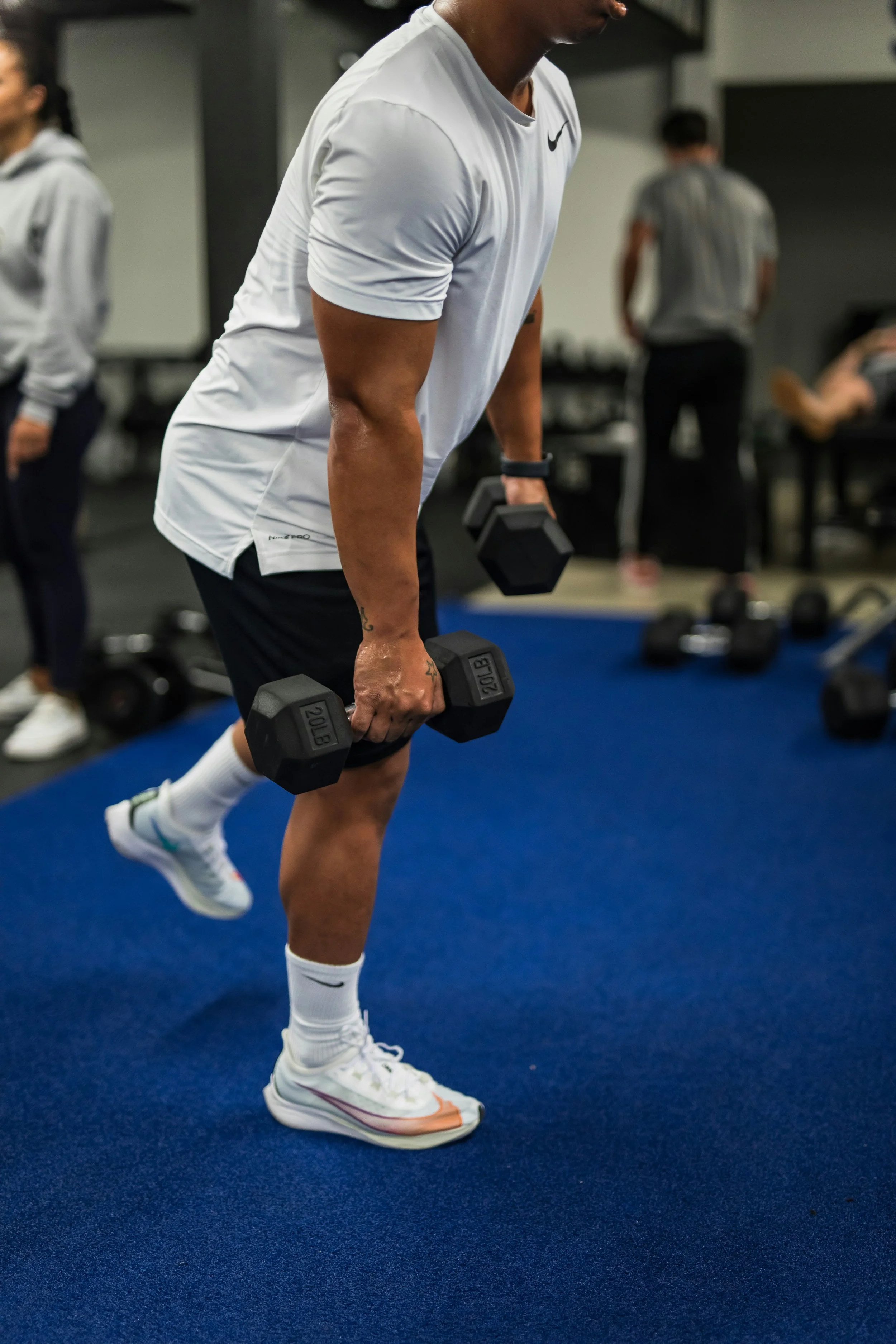
EP’S GUIDE TO KNEE PAIN.
Knee pain is one of the most common reasons people reduce activity, stop exercising, or feel hesitant to move. It might begin as a mild ache when walking downstairs, getting out of a chair, running, kneeling, or squatting and over time turn into something that affects your confidence and daily life.

STAY ACTIVE AS THE WEATHER COOLS DOWN.
As the mornings become cooler and the days a little shorter, it’s important to stay active and have a routine.
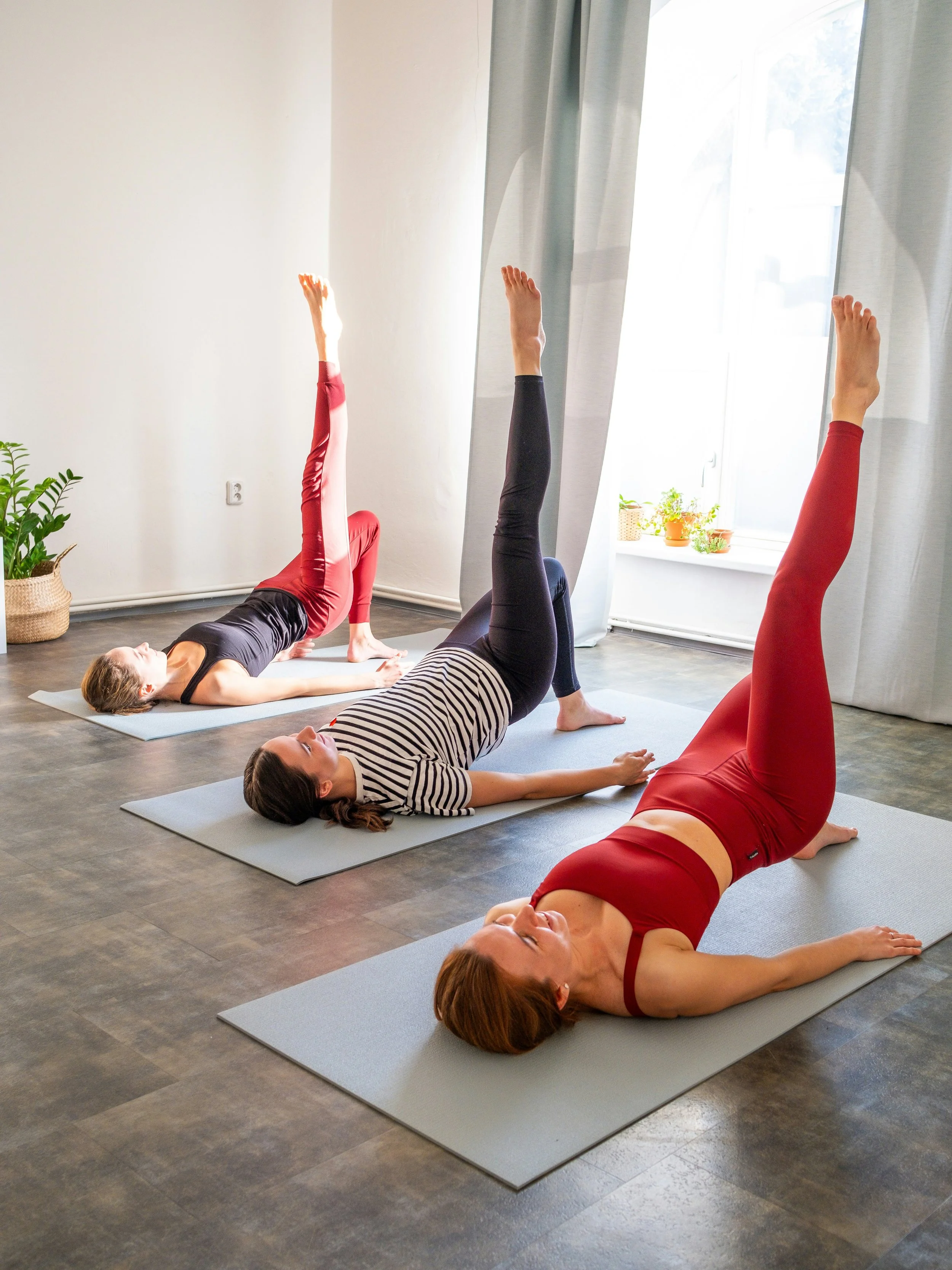
STRENGTH TRAINING FOR WOMEN.
I work with women of all ages who want to feel stronger, move better, and stay independent as they age. The most powerful tool to achieve this is “Progressive strength training” Not for appearance. Not for sport. But for hormone health, muscle preservation, bone density, and long-term function.

WORKPLACE WELLNESS.
I regularly help office workers, students, and work-from-home professionals who feel sore and fatigued not because they are doing too much, but because they are moving too little.

RUNNING WITHOUT INJURY.
Running is one of the most accessible and rewarding forms of exercise. It improves cardiovascular fitness, supports mental health, and keeps you feeling strong and capable.
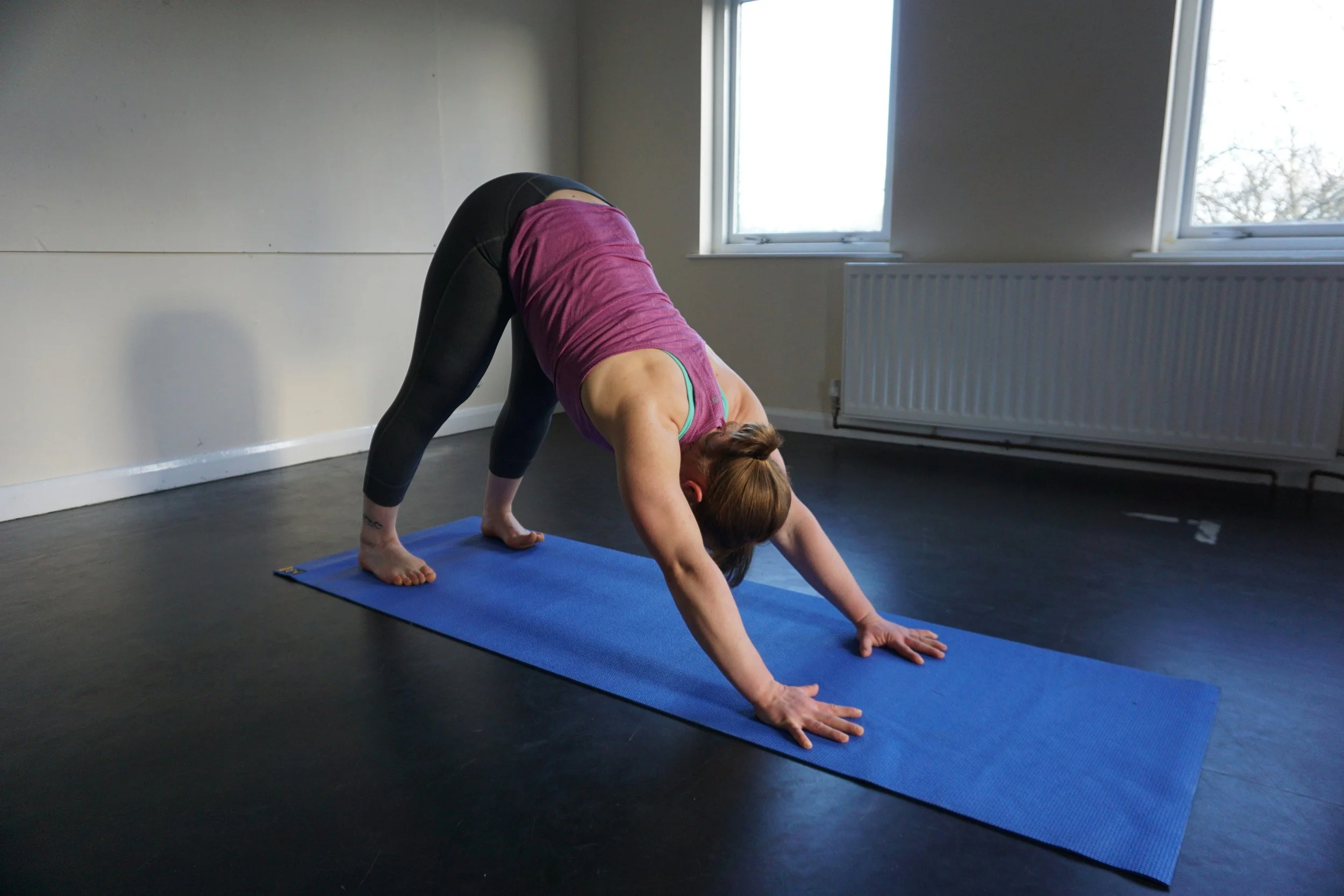
SCIENCE BEHIND MUSCLE TIGHTNESS.
Have you ever said, “My hamstrings are just always tight” or “My shoulders feel stiff no matter how much I stretch” ? You’re not alone. Muscle tightness is one of the most common complaints I see at JY Exercise Physiology in Upper Mount Gravatt. The surprising part ?
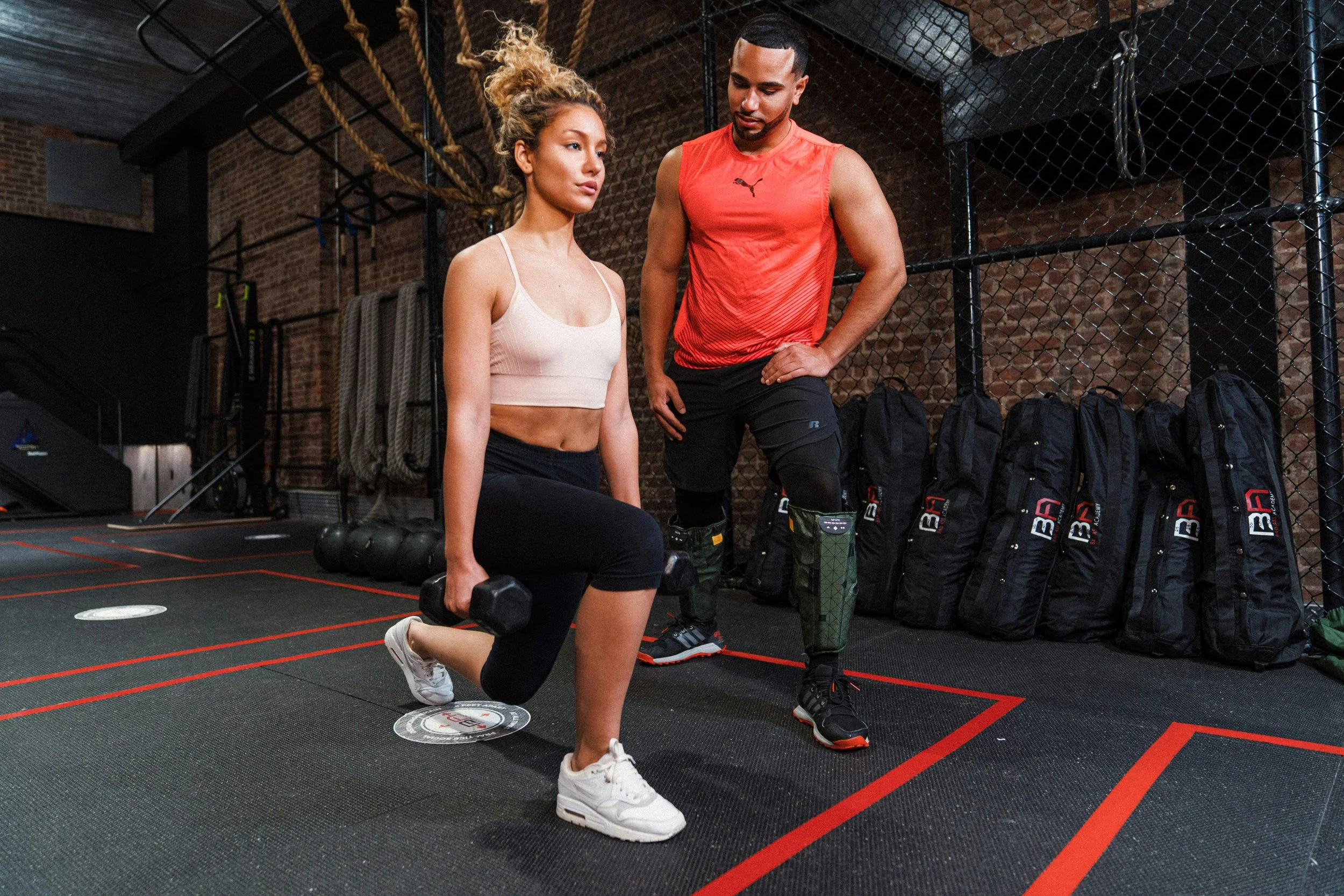
UNDERSTANDING HOW YOUR BODY ADAPTS TO EXERCISE.
Exercise is more than just “working out.” Behind every step, lift, and breath is a remarkable series of changes happening inside your body. These changes called physiological adaptations are how your body becomes stronger, fitter, and healthier over time.
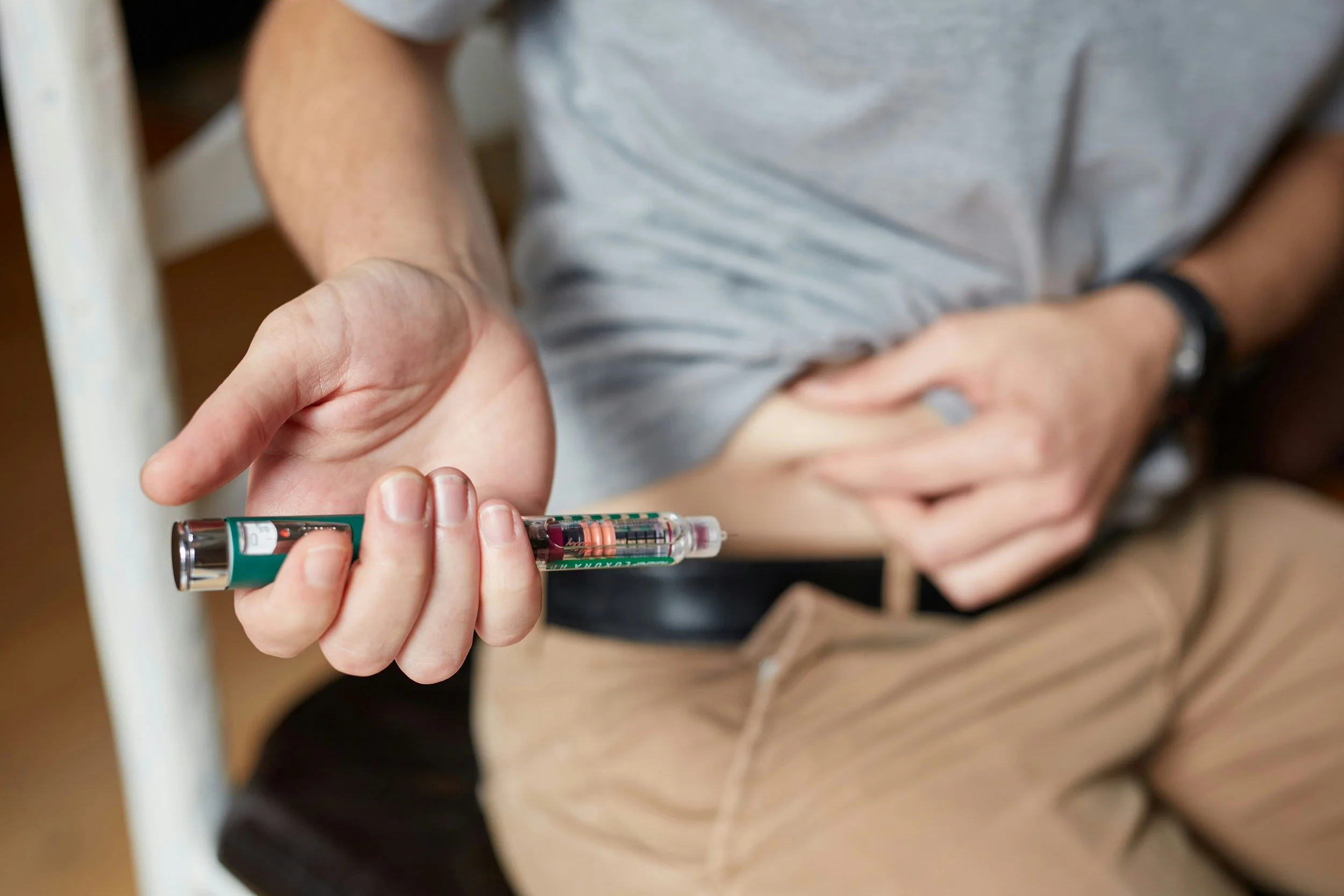
EXERCISE PHYSIOLOGY FOR CHRONIC DISEASE MANAGEMENT.
Chronic diseases like heart disease, diabetes, respiratory conditions, and arthritis are among the most common and costly health issues facing Australians today. These long-term conditions don’t just affect physical health they can impact emotional wellbeing, daily function, independence, and quality of life.
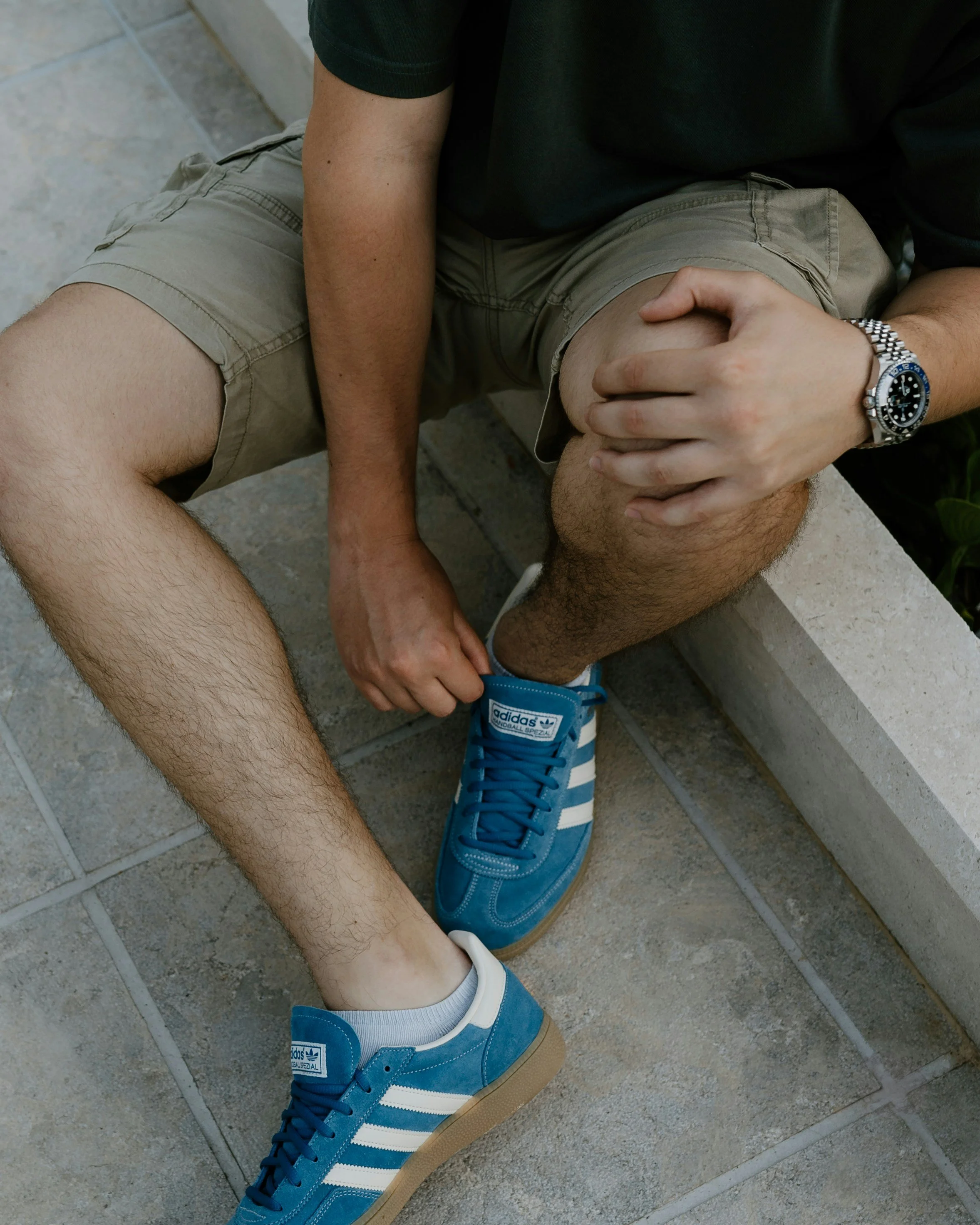
UNDERSTANDING PAIN.
Pain is one of the most common reasons people stop exercising and one of the biggest barriers to recovery. But pain doesn’t always mean damage, and resting too much can sometimes slow progress rather than help it.
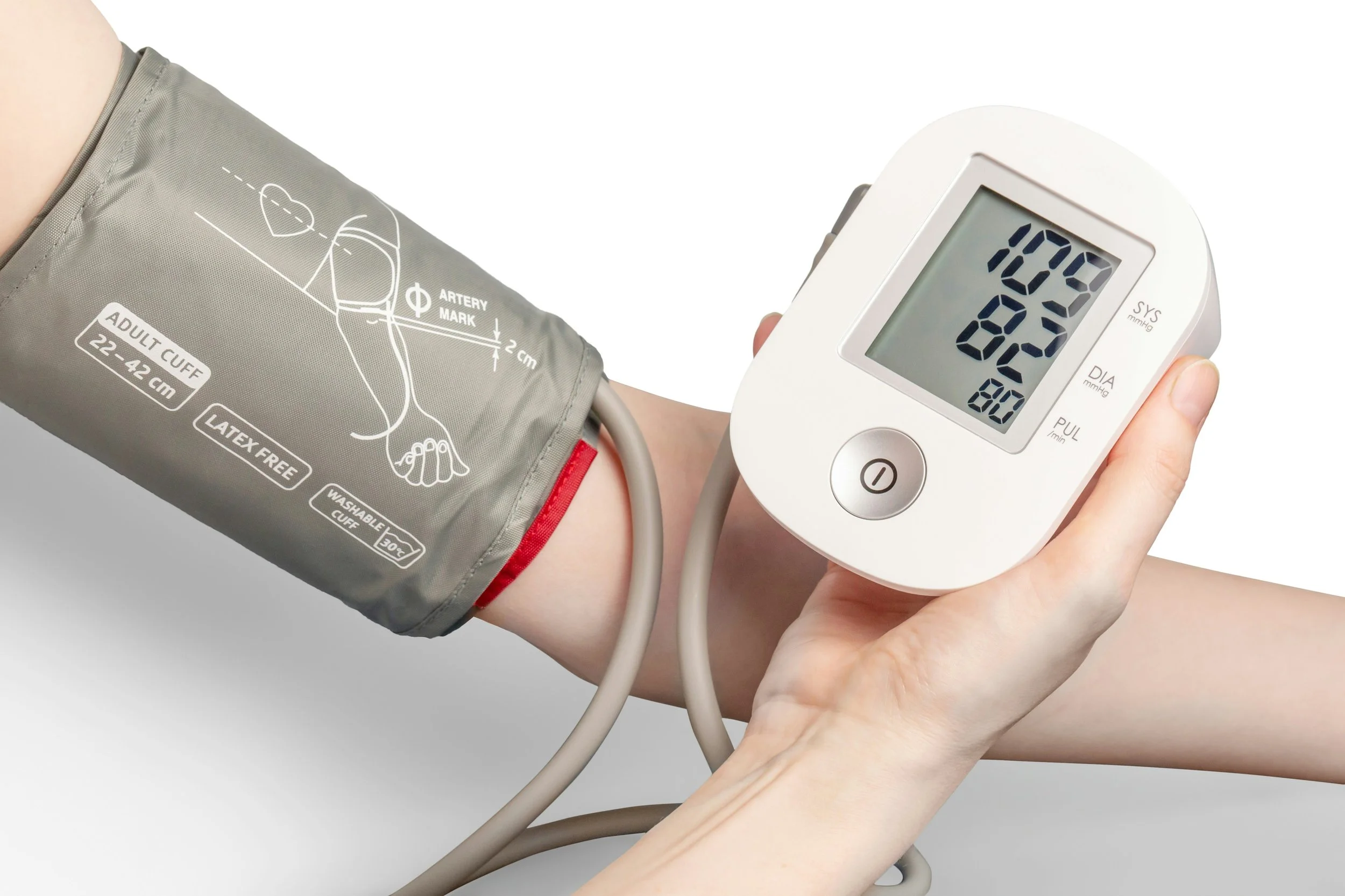
EXERCISES FOR OVER 40’S HEART HEALTH.
As we move into our 40s and beyond, heart health becomes more important than ever. With busy schedules, old injuries, and changing bodies, exercise needs to be both effective and sustainable.
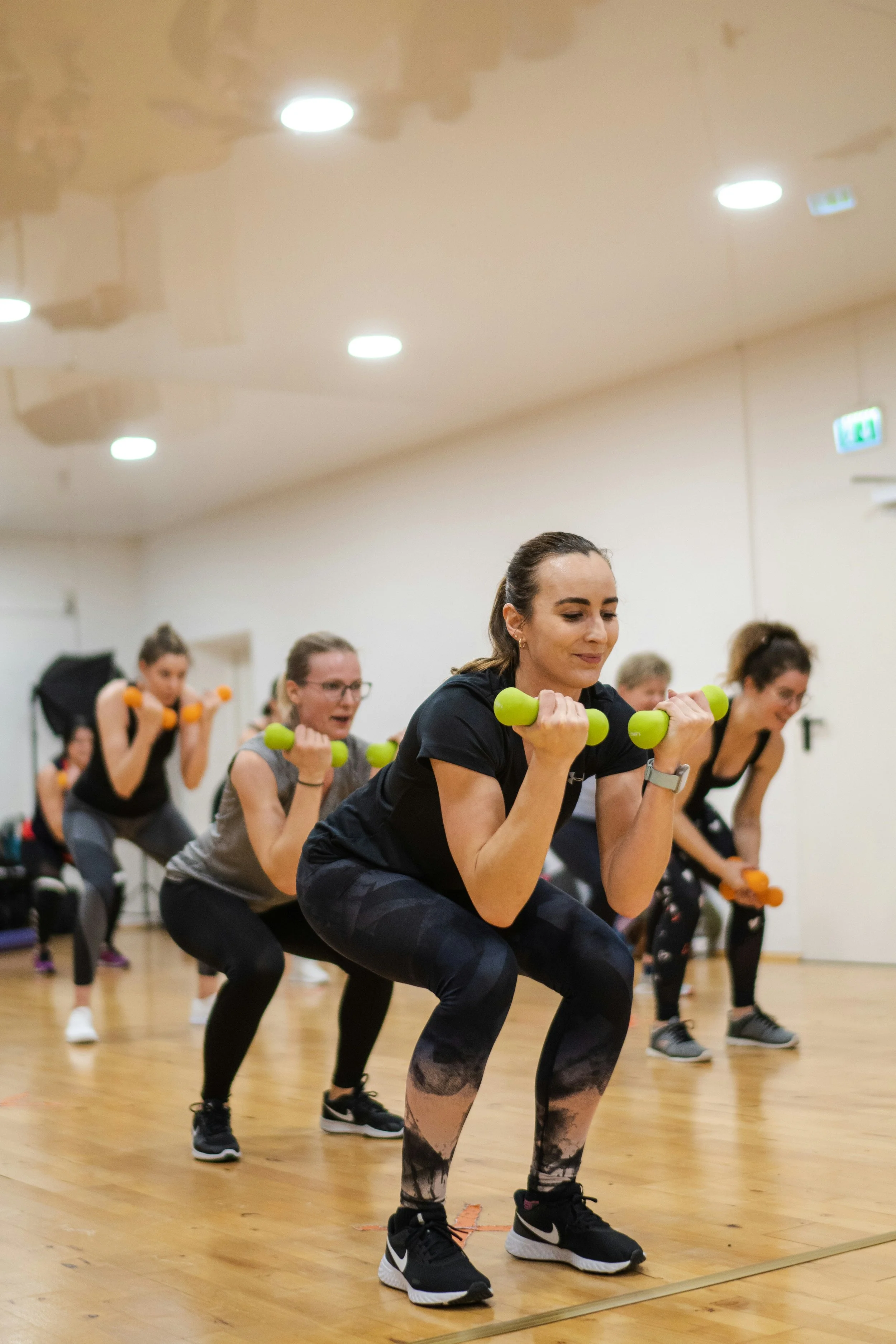
BEGINNER STRENGTH TRAINING GUIDE.
Strength training is one of the most powerful tools we have to improve health, reduce pain, and maintain independence, yet many beginners avoid it out of fear of injury, pain flare-ups, or “doing it wrong.”

HOW TO SET REALISTIC FITNESS GOALS.
Every year, many people set fitness goals with the best intentions, only to feel discouraged weeks or months later when progress stalls, pain develops, or motivation fades. The problem usually isn’t effort. It’s unrealistic goal-setting.
WHY MOBILITY MATTERS.
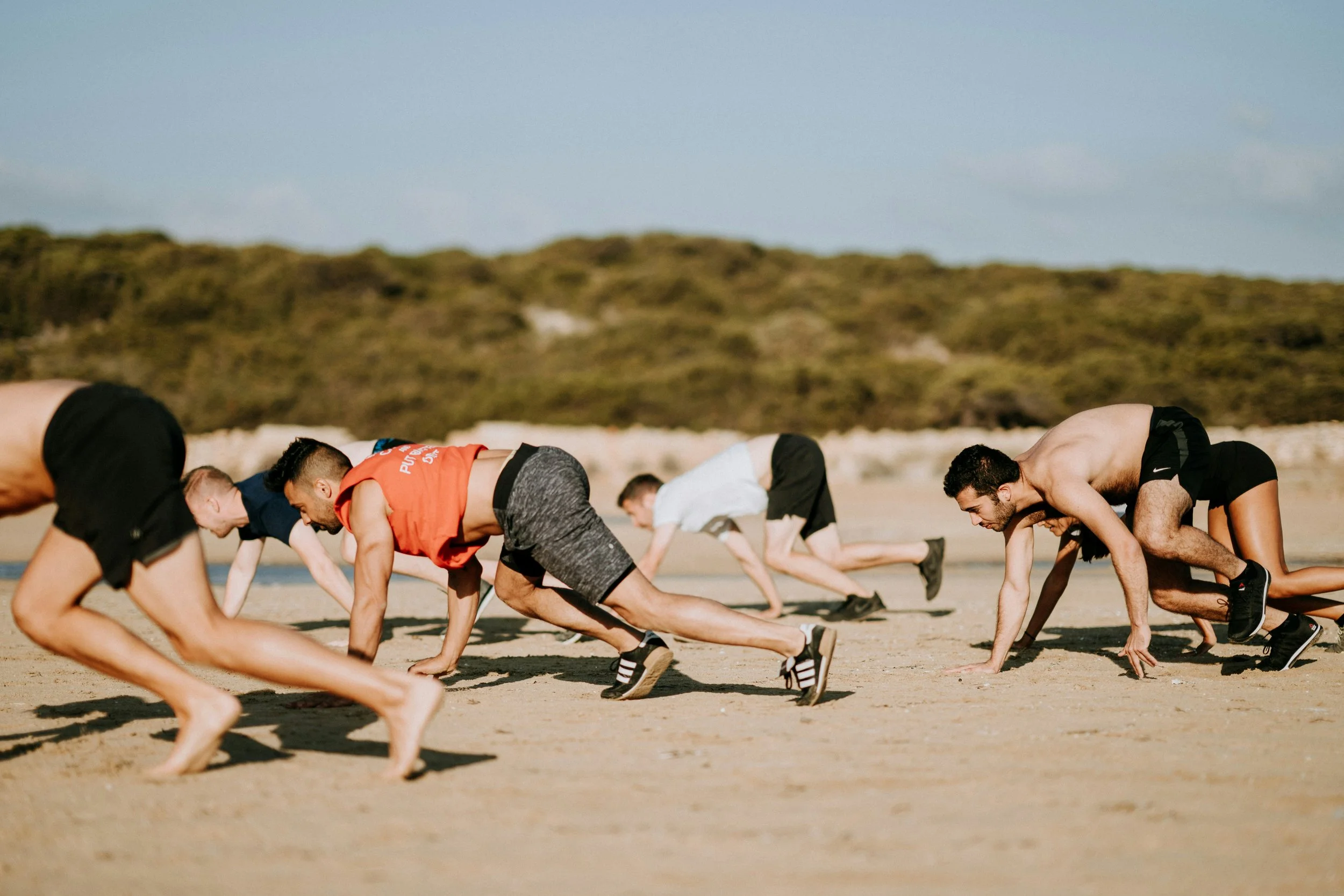
When people think about improving their health through exercise, strength training and cardiovascular fitness usually come to mind first. While these are essential, there is one critical component that is often overlooked, mobility.
TOP 10 EXERCISE TIPS FOR 2026.
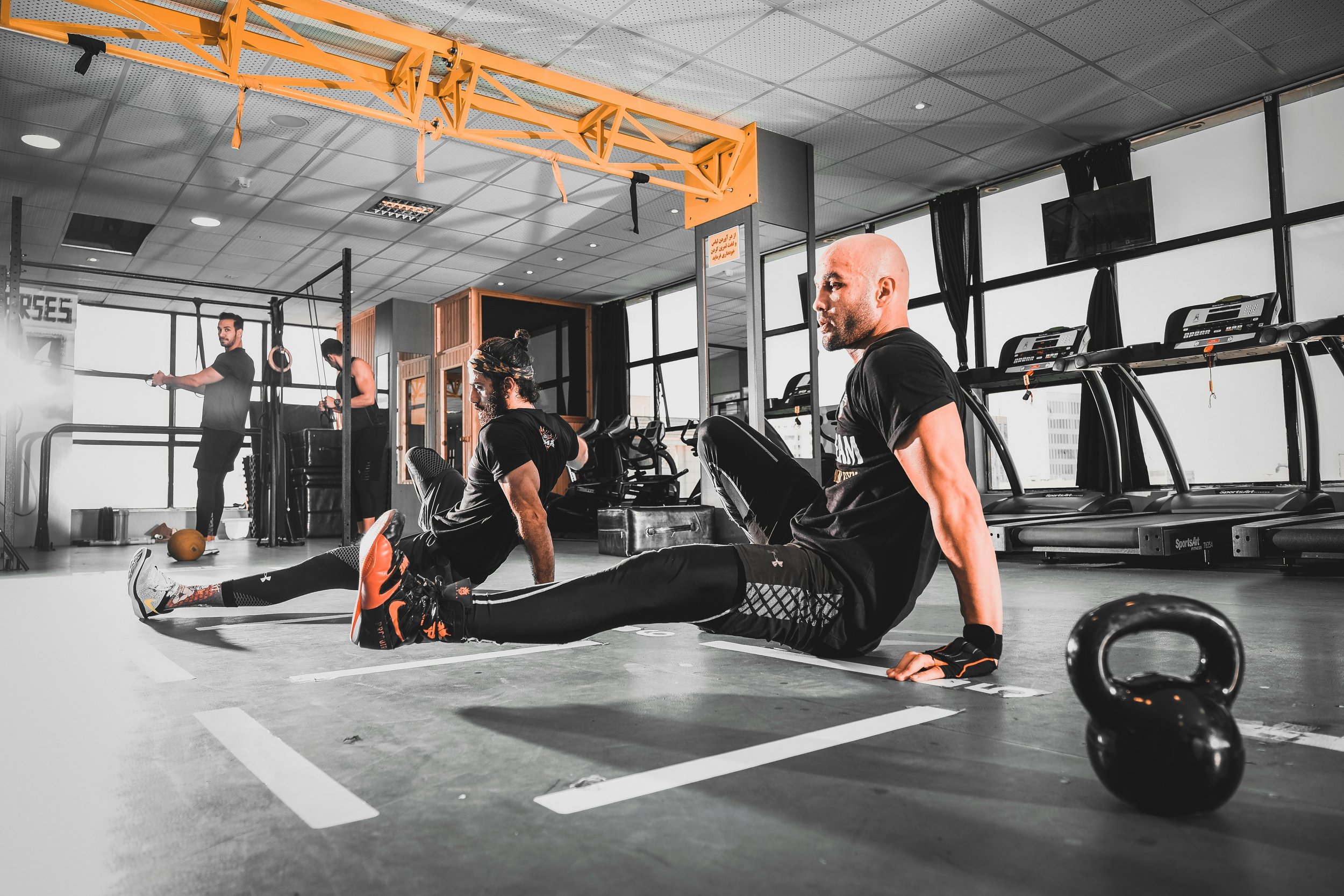
A new year brings fresh motivation, new goals, and an opportunity to reset your health and fitness habits. Whether you’re aiming to build strength, improve mobility, reduce pain, or simply feel healthier in 2026, the right approach can make all the difference.