SCIENCE BEHIND MUSCLE TIGHTNESS.
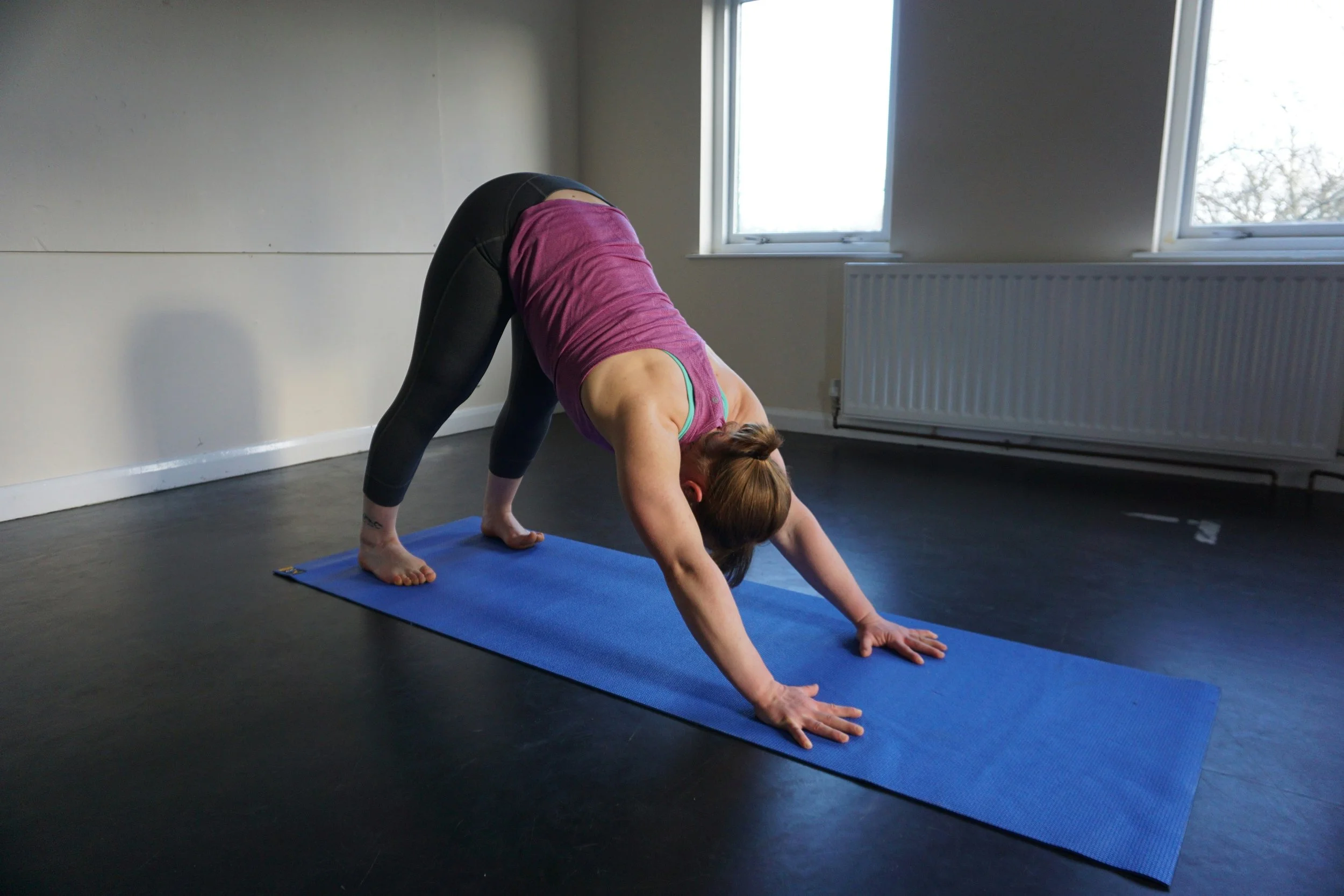
Muscle tightness can happen to anyone.
Have you ever said, “My hamstrings are just always tight” or “My shoulders feel stiff no matter how much I stretch” ?
You’re not alone. Muscle tightness is one of the most common complaints I see at JY Exercise Physiology in Upper Mount Gravatt. The surprising part ?
👉 Most muscle “tightness” is not actually caused by short muscles.
👉 And stretching is often not the real solution.
Let’s break down what’s really happening inside your body and what evidence says actually works.
What Does Muscle Tightness Really Mean ?
When people describe tight muscles, they usually mean:
Stiffness
Restricted movement
A pulling sensation
Discomfort at end range
Feeling like they need to stretch
But in exercise physiology and musculoskeletal science, tightness is usually a sign of:
Protective muscle guarding by your nervous system not a muscle length problem.
Your brain is trying to protect you.
The Nervous System’s Role (The Missing Piece)
Muscles don’t decide to tighten on their own. Your nervous system controls muscle tone.
When your body senses:
Weakness
Instability
Previous injury
Poor load tolerance
Fatigue
Poor posture habits
Stress
It responds by increasing muscle tone to create stability. That tight feeling ? It’s often your body saying: “I don’t feel strong or safe in this position.”
This is why you can stretch every day and still feel tight.
Common Causes of Muscle Tightness
1. Weakness and Poor Strength Endurance
If a muscle (or surrounding muscles) lack strength, your body increases tension as a protective strategy.
Example: Tight hip flexors often come from weak glutes and poor pelvic control.
2. Previous Injury
Past injuries change how your nervous system recruits muscles, often leaving some overworking and others underworking.
3. Prolonged Sitting and Static Postures
Sitting itself doesn’t shorten muscles permanently, but it reduces movement variability and strength through range.
4. Lack of Load Through Full Range
If you never squat deep, reach overhead, or rotate your spine under control, your body loses confidence in those ranges.
5. Stress and Fatigue
High stress increases global muscle tone. This is why your neck and shoulders feel tight during stressful weeks.
Why Stretching Only Works Temporarily
Stretching changes your tolerance to stretch, not actual muscle length long-term.
Research shows:
Stretching improves sensation briefly
It does not significantly change resting muscle length
The tightness returns because the root cause wasn’t addressed
This is why you feel better for 10–20 minutes and then it’s tight again.
Evidence-Based Fixes That Actually Work
Here’s what we focus on in exercise physiology sessions.
✅ 1. Strength Training Through Range
Loading muscles through full range teaches the nervous system that the position is safe.
Examples:
Deep squats
Romanian deadlifts
Split squats
Overhead presses
Thoracic rotation work
This is far more effective than stretching.
✅ 2. Improve Motor Control
Teaching the right muscles to do the work reduces overactivity in tight muscles.
Example:
Activating glutes reduces hamstring and hip flexor tightness
Strengthening mid-back reduces neck and shoulder tightness
✅ 3. Gradual Exposure to Stiff Ranges
Instead of stretching, we use loaded mobility.
This builds strength and confidence where you feel restricted.
✅ 4. Increase General Movement Variability
Walking, cycling, strength training, changing postures, your body loves variety.
✅ 5. Manage Training Load and Recovery
Tightness often appears when you’re under-recovered.
Common “Tight” Muscles We See (And the Real Fix)
Tight Area:
1) Hamstrings
2) Hip flexors
3) Calves
4) Shoulders
5) Neck
Usually Caused By:
1) Weak glutes and poor hip control
2) Prolonged sitting and poor glute strength
3) Poor ankle strength and walking pattern
4) Weak upper back and posture control
5) Head positioning and upper body strength
What Actually Helps:
1) Deadlifts, bridges and split squats
2) Lunges, step ups and hip extension
3) Calf raises, loaded ankle work and single leg stability
4) Rows, presses and thoracic mobility
5) Upper back strength and posture endurance
When Should You Be Concerned ?
Muscle tightness may need assessment if you have:
Persistent stiffness despite stretching
Pain with movement
Previous injuries
Numbness or tingling
Reduced strength
Recurring strains
This is where an Accredited Exercise Physiologist can assess what’s really going on.
Take Care of Your Tightness Now
Muscle tightness is rarely a flexibility problem.
It’s usually a strength, control, or nervous system protection problem.
The solution is not more stretching. The solution is smarter, targeted exercise.
At JY Exercise Physiology, I help people:
Reduce stiffness
Improve mobility
Build strength safely
Recover from injury
Stay strong while aging
Manage chronic conditions
Using evidence-based exercise programs tailored to you.
If you constantly feel tight, stiff, or restricted, it may be time to stop stretching and start strengthening.
Located in Upper Mount Gravatt, meet your Exercise Physiologist and feel free to explore our other blogs to learn more and gain additional insights.
Call or Text +61 421 967 711