TOP 10 EXERCISE TIPS FOR 2026.
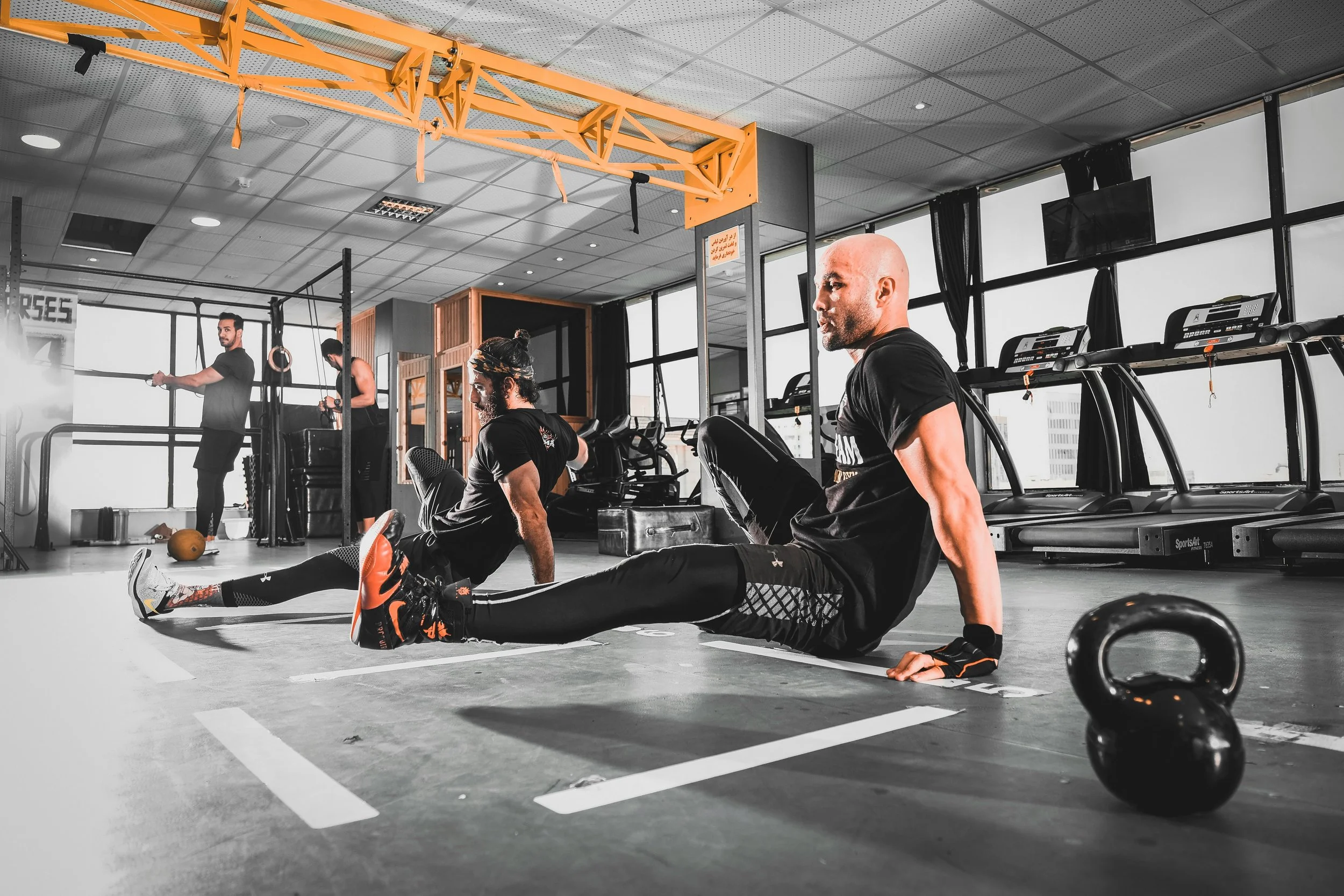
Start 2026 strong !
Expert Advice from an Exercise Physiologist
A new year brings fresh motivation, new goals, and an opportunity to reset your health and fitness habits. Whether you’re aiming to build strength, improve mobility, reduce pain, or simply feel healthier in 2026, the right approach can make all the difference.
As an exercise physiologist at JY Exercise Physiology, I’ve helped hundreds of clients from athletes to older adults build sustainable routines that support long-term health. Below are the Top 10 Exercise Tips to help you start 2026 strong, stay consistent, and achieve results that last.
1. Start With a Clear and Simple Goal
It’s tempting to set huge health goals in January, but research consistently shows that simple, specific, achievable goals lead to better long-term success.
Instead of get fit, let’s try:
Walk 30 minutes, 4 days per week
Complete my strength program twice a week
Improve my balance and knee strength
A clear goal gives your training purpose and direction.
2. Prioritise Strength Training (Even Just Twice a Week)
Strength training is one of the most effective forms of exercise, especially as we get older. It improves muscle mass, bone density, joint stability, and metabolic health.
You don’t need to spend hours in the gym, the science is clear: at least two strength sessions per week offers major benefits.
Focus on:
Squats or sit-to-stands
Step-ups
Rows or resistance-band pulling
Push-ups (wall or floor)
Deadlifts or hip hinges
If you're unsure where to begin, an exercise physiologist can tailor a safe and effective program for your goals and limitations.
3. Build a Routine You Actually Enjoy
Enjoyment is the biggest predictor of long-term exercise adherence. If you hate running, don’t run. If you dread the gym, try outdoor workouts or group exercise.
Ideas clients at JY Exercise Physiology love:
Strength training or circuits
Reformer or mat Pilates
Mountain biking or road cycling
Low-impact conditioning
Walking with a friend
The best exercise program is the one you’ll stick to.
4. Progress Slowly to Avoid Injury
One of the most common mistakes in January is doing too much, too soon. Your body needs time to adapt to new loads, especially if you’re returning after time off.
Follow the 10% rule: Increase either the weight, duration, or intensity by no more than 10% per week.
Gradual progression helps reduce the risk of:
tendon overload
muscle strains
flare-ups of knee, back, or shoulder pain
Slow and steady wins every time.
5. Warm Up With Purpose
A proper warm-up prepares your muscles, joints, and nervous system for what’s ahead. Skip the old static stretches and focus on dynamic movement such as:
Light cycling or walking
Leg swings
Hip openers
Arm circles
Bodyweight squats
Controlled lunges
This primes your body, boosts performance, and reduces injury risk.
6. Track Your Progress (It Helps You Stay Motivated)
Progress doesn’t have to be measured only by weight on the scales. Celebrate improvements like:
Stronger lifts
Longer walks without pain
Better balance or posture
Increased mobility
Reduced stiffness
More energy
Moving with more confidence
At JY Exercise Physiology, I often use reassessment testing every few months so clients can see measurable changes in strength, mobility, and cardiovascular fitness.
Tracking progress keeps you motivated and accountable.
7. Mix Strength, Cardio, and Mobility
A well-rounded routine gives the best results. Aim for a weekly balance of:
Strength: 2–3 sessions
Cardio: 2–3 sessions (walking, cycling, swimming, etc.)
Mobility: daily or included in warm-ups/cool-downs
This combination improves:
Joint health
Longevity
Cardiovascular fitness
Muscle balance
Injury prevention
If you’re unsure how to structure your week, an exercise physiologist can design a personalised plan.
8. Listen to Your Body (Pain ≠ Progress)
A little muscle fatigue is normal. Sharp, pinching, or persistent joint pain is not. Moderate discomfort during a new exercise can be acceptable but pain above 4/10 is a sign to modify.
If pain persists for more than a few days:
Reduce the load
Scale back the exercise
Adjust technique
Switch to a similar but easier movement
Pain is information, not something to push through.
9. Hydrate and Recover Properly
You don’t get stronger during exercise you get stronger when you recover.
For optimal training:
Drink water throughout the day
Get 7–9 hours of quality sleep
Rest at least 24-48 hours between heavy strength sessions
Add gentle walking or mobility work on rest days
Recovery habits determine your consistency more than motivation does.
10. Seek Professional Guidance for a Personalised Plan
Everyone’s body is different. Your age, injury history, fitness level, and lifestyle all impact how you should train.
An exercise physiologist can help you:
Reduce chronic pain
Improve mobility
Strengthen weak areas
Prevent injury
Create a sustainable exercise plan
Train safely with existing conditions or limitations
If you want to start 2026 with confidence, a tailored program makes a world of difference.
Start 2026 Strong With JY Exercise Physiology
A new year doesn’t require an extreme fitness overhaul just consistent, smart training supported by good habits and the right guidance.
At JY Exercise Physiology, I specialise in helping people of all ages improve their strength, mobility, and overall health through evidence-based exercise programs. If you’re ready to start 2026 strong, i’m here to support you every step of the way.
Book a session, ask a question, or begin your personalised program today.
Located in Upper Mount Gravatt, meet your Exercise Physiologist and feel free to explore our other blogs to learn more and gain additional insights.
Call or Text +61 421 967 711