EXERCISES FOR OVER 40’S HEART HEALTH.
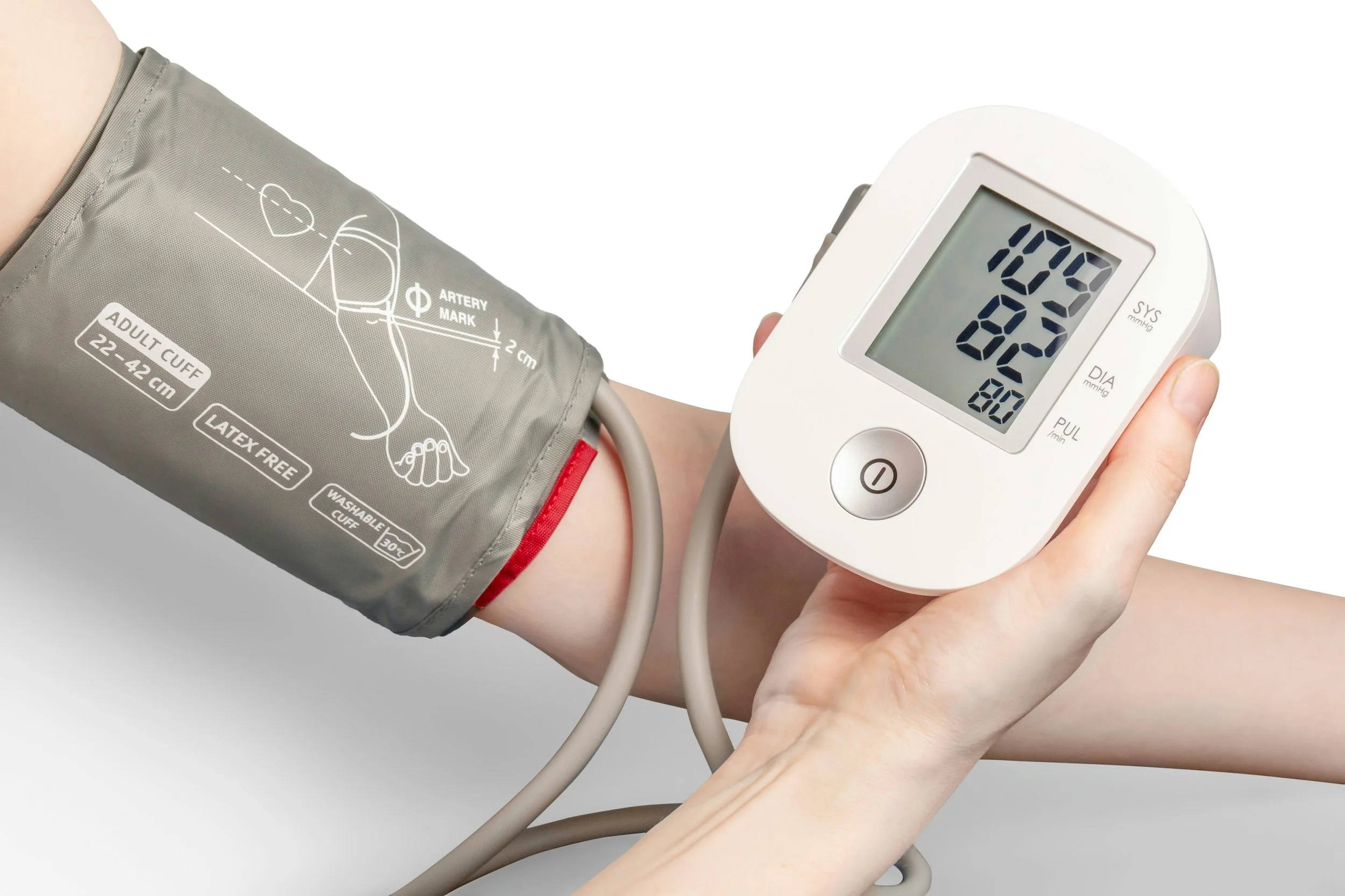
As we move into our 40s and beyond, heart health becomes more important than ever. With busy schedules, old injuries, and changing bodies, exercise needs to be both effective and sustainable. Heart Health Month is the perfect reminder that staying active doesn’t mean pushing to exhaustion it means choosing the right type of movement for long-term cardiovascular health.
The good news? You don’t need extreme workouts to support a healthy heart. The best heart-healthy exercises for over-40s focus on consistency, joint protection, strength, and aerobic fitness.
Why Heart Health Matters More After 40
From our 40s onwards, natural age-related changes can impact cardiovascular health, including:
Reduced aerobic capacity
Increased blood pressure and cholesterol risk
Loss of muscle mass and metabolic efficiency
Greater likelihood of joint pain or past injuries
Regular, well-structured exercise helps:
Lower blood pressure
Improve cholesterol levels
Reduce the risk of heart disease
Improve energy, sleep, and mental health
The key is choosing exercises that are safe, enjoyable, and appropriate for your current fitness level.
1. Walking: The Most Underrated Heart Exercise
Walking is one of the safest and most effective forms of cardiovascular exercise, especially for over-40s.
Benefits:
Low impact on joints
Improves heart and lung fitness
Easy to progress with speed or hills
Suitable for almost all fitness levels
Aim for 30–45 minutes most days of the week. Brisk walking, where you can talk but not sing is ideal for heart health.
Tip: If joint pain or fatigue is an issue, breaking walking into shorter bouts across the day still provides cardiovascular benefits.
2. Cycling (Indoor or Outdoor)
Cycling is excellent for heart health while being gentle on the knees and hips.
Why it works well after 40:
Low-impact aerobic exercise
Improves leg strength and circulation
Easily adjustable intensity
Great for people with knee or back issues
Whether it’s outdoor cycling, a stationary bike, or spin-style intervals, cycling allows you to challenge your heart without excessive joint stress.
Aim for 2–4 sessions per week, adjusting intensity based on how your body feels.
3. Swimming and Water-Based Exercise
Swimming is one of the best full-body cardiovascular workouts available.
Heart-healthy benefits:
Zero impact on joints
Improves heart and lung capacity
Builds muscular endurance
Ideal for arthritis or chronic pain
Water-based exercise classes or gentle lap swimming are excellent options if land-based exercise feels uncomfortable.
4. Strength Training for Heart Health
Many people don’t realise that strength training plays a major role in cardiovascular health, especially after 40.
How resistance training supports your heart:
Improves blood sugar control
Reduces resting blood pressure
Increases lean muscle mass
Improves metabolic health
Strength training also helps you move better, train longer, and reduce injury risk all of which make regular cardio easier to maintain.
Aim for 2–3 strength sessions per week, focusing on:
Large muscle groups
Controlled movements
Proper breathing (no breath holding)
5. Interval Training (Done Safely)
High-Intensity Interval Training (HIIT) can be effective for heart health but it must be modified appropriately for over-40s.
Safer interval examples include:
Fast walking intervals
Moderate cycling bursts
Short rowing or elliptical efforts
Intervals don’t need to be all-out. Even moderate intensity intervals can improve cardiovascular fitness without excessive strain.
Always build a base level of fitness first and seek professional guidance if you have a cardiac history, joint pain, or are new to exercise.
6. Flexibility, Mobility, and Recovery
While flexibility exercises don’t directly raise your heart rate, they support heart-healthy exercise by:
Improving movement efficiency
Reducing injury risk
Enhancing recovery and consistency
Yoga, Pilates, and mobility sessions can also reduce stress which is just as important for heart health as physical fitness.
How Much Exercise Is Enough for Heart Health?
For most over-40s adults, general heart health guidelines include:
150 minutes of moderate aerobic exercise per week, or
75 minutes of higher-intensity exercise, plus
2–3 strength training sessions weekly
This can be broken into manageable sessions that fit your lifestyle.
When to Seek Professional Guidance
If you:
Have high blood pressure, diabetes, or heart disease
Are returning to exercise after injury or surgery
Experience chest pain, dizziness, or shortness of breath
Feel unsure about how hard you should be training
Working with an Accredited Exercise Physiologist ensures your exercise program is safe, effective, and tailored to your health needs.
Make Heart Health a Year Round Priority
Heart Health Month is a great reminder, but cardiovascular health is built through consistent habits over time. The best heart-healthy exercise is the one you can do regularly, recover from well, and enjoy.
If you’re over 40, exercise doesn’t need to be extreme it needs to be smart.
At JY Exercise Physiology, I help adults over 40 improve heart health, strength, and confidence through personalised, evidence-based exercise programs designed for long-term results.
Located in Upper Mount Gravatt, meet your Exercise Physiologist and feel free to explore our other blogs to learn more and gain additional insights.
Call or Text +61 421 967 711