STRENGTH TRAINING FOR WOMEN.
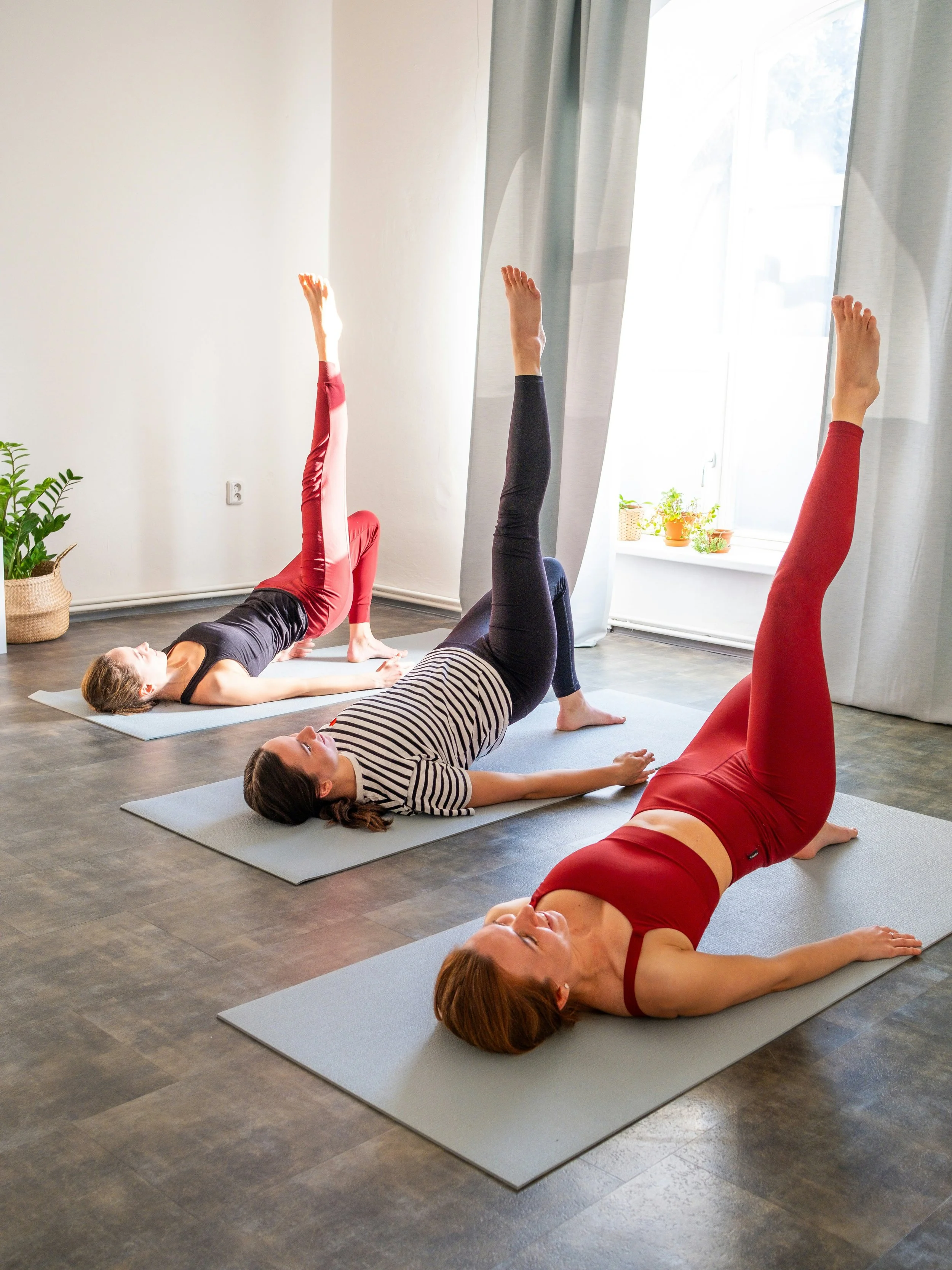
Strengthen training is great for women of all ages.
I work with women of all ages who want to feel stronger, move better, and stay independent as they age. The most powerful tool to achieve this ?
“Progressive strength training”
Not for appearance. Not for sport. But for hormone health, muscle preservation, bone density, and long-term function.
Why Strength Training Is Essential for Women
From your 30s onward, women naturally begin to lose:
Muscle mass (sarcopenia)
Bone density (osteopenia/osteoporosis risk)
Metabolic rate
Joint stability
Strength and balance
This process accelerates during perimenopause and menopause due to hormonal changes, particularly the decline in oestrogen.
Without strength training, this leads to:
Weight gain
Joint pain
Reduced mobility
Increased injury risk
Loss of independence later in life
The good news ? This process is highly modifiable.
Hormones, Oestrogen, and Muscle
Oestrogen plays a protective role in:
Muscle repair
Tendon health
Bone strength
Collagen production
Joint stability
As oestrogen declines, women often notice:
More aches and stiffness
Slower recovery
Reduced strength
Increased tendon issues
Fatigue
Strength training acts as a replacement stimulus for what hormones used to support.
It tells the body “We still need this muscle and bone, keep it.”
The Myth “Lifting Weights Will Make Me Bulky”
This is one of the biggest misconceptions.
Women do not have the testosterone levels required to build large muscle mass easily.
What strength training actually does is:
Improve muscle tone
Increase metabolism
Improve posture
Reduce body fat
Improve confidence and function
You become stronger and leaner, not bulky.
Evidence-Based Benefits of Strength Training for Women
Research shows progressive resistance training:
Improves bone density
Reduces menopause symptoms
Improves insulin sensitivity
Reduces joint pain
Improves mental health
Improves balance and reduces falls risk
Preserves independence with ageing
This is why strength training is now considered medicine for women’s health.
What Type of Strength Training Works Best
Light weights and high repetitions have benefits, but to stimulate real change, women need moderate to heavy resistance, safely progressed.
Key exercises include:
Squats
Deadlifts
Step-ups
Lunges
Rows
Pressing movements
Core stability work
These movements stimulate muscle, bone, and connective tissue adaptation.
Strength Training During Perimenopause and Menopause
This is when strength training becomes even more important.
It helps manage:
Weight changes
Joint pain
Sleep quality
Mood changes
Energy levels
Bone health
Many women tell us they “feel like themselves again” once they start consistent strength training.
Healthy Ageing Is Built in Your 40s, 50s and 60s
The strength you build now determines:
How well you move in your 70s and 80s
Your risk of falls
Your ability to stay independent
Your joint health
Your quality of life
Strength is one of the biggest predictors of longevity and independence.
Signs You Would Benefit from an Exercise Physiology Program
You may benefit if you:
Feel weaker than you used to
Have joint aches and stiffness
Have been told you have low bone density
Are in perimenopause or menopause
Want to age well and stay independent
Have stopped exercising due to pain
Want safe, guided strength training
Move better. Feel better. Stay strong for life.
Idesign tailored strength programs for women of all ages and abilities, including:
Beginners
Perimenopausal and menopausal women
Women with osteoporosis or osteopenia
Women returning after injury
Women wanting to feel strong and confident again
Using evidence-based exercise that is safe, progressive, and personalised. Strength training is not optional for women.
It is one of the most important things you can do for your Hormones. Bones. Muscles. Joints. Confidence. Longevity.
Located in Upper Mount Gravatt, meet your Exercise Physiologist and feel free to explore our other blogs to learn more and gain additional insights.
Call or Text +61 421 967 711