LOW IMPACT CARDIO.
Cardio is important for your heart, lungs, energy levels, weight management, and overall health. But if you have knee pain, hip stiffness, back pain, arthritis, or past injuries, traditional cardio like running or high-impact classes can feel more harmful than helpful.
The good news ? You can improve your fitness without punishing your joints.
At JY Exercise Physiology in Upper Mount Gravatt, many clients are surprised to learn that the most effective cardio for long-term health is often low-impact, joint-friendly movement.
Here are the best options, why they work, and how to use them safely.
What Is Low-Impact Cardio ?
Low-impact cardio keeps one foot in contact with the ground or removes impact altogether. This reduces stress through:
Knees
Hips
Ankles
Lower back
While still improving:
Cardiovascular fitness
Muscle endurance
Circulation
Joint mobility
This is especially important for people managing:
Osteoarthritis
Chronic pain
Previous injuries
Age-related stiffness
Deconditioning after time off exercise
Why High-Impact Cardio Can Flare Up Joints
Running, jumping, and fast direction changes create large forces through joints, especially when:
Muscles are weak
Movement control is poor
There’s existing joint degeneration
You’re returning after injury
This often leads to flare-ups that stop people exercising altogether.
Low-impact cardio allows you to stay consistent, which is what really improves health.
The Best Low-Impact Cardio Exercises
🚶 Walking (Underrated and Powerful)
Walking is one of the best forms of cardio when done consistently.
Benefits:
Improves joint lubrication
Builds leg endurance
Supports knee and hip health
Easy to progress
Tip: Focus on regular walks, not speed.
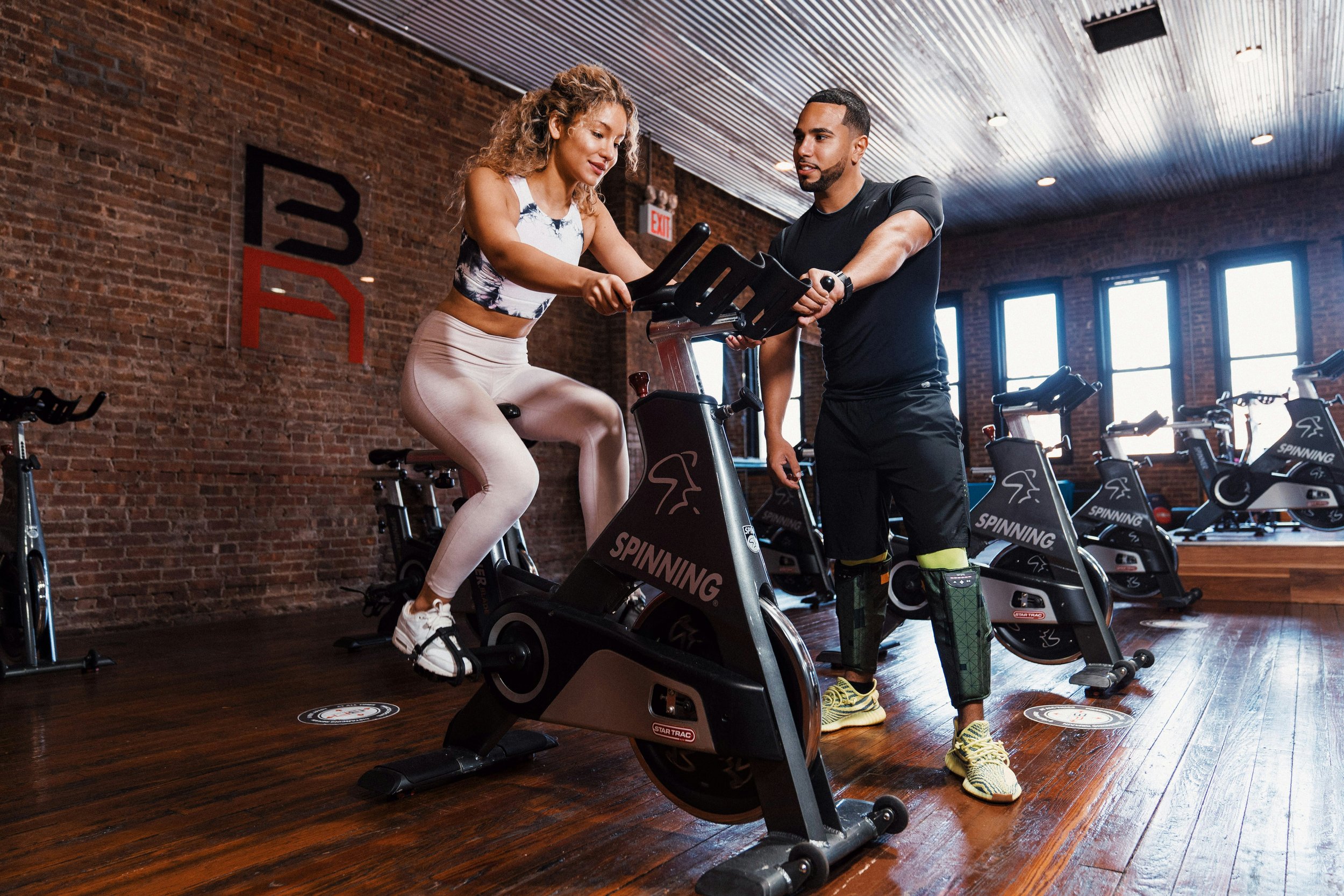
🚴 Cycling (Excellent for Knee and Hip Pain)
Stationary or outdoor cycling is ideal because it:
Removes body weight from joints
Strengthens quads and glutes
Improves knee joint nutrition
Allows longer sessions with less pain
This is a favourite in exercise physiology programs for knee arthritis.
🏊 Swimming and Water Walking
Water reduces body weight by up to 90%.
Benefits:
Almost no joint stress
Great for painful flare-ups
Improves whole-body endurance
Safe for most conditions
🧍 Elliptical Trainer
Mimics running without the impact.
Benefits:
Smooth movement for hips and knees
Builds cardiovascular fitness quickly
Encourages upright posture
🪑 Seated Cardio Options
Great for those with significant pain, balance issues, or low capacity:
Seated bike
Arm ergometer (arm bike)
Seated marching and resistance circuits
These are commonly used in clinical exercise settings.
🧘 Low-Load Circuits (Strength + Cardio)
A mix of light resistance exercises performed continuously can elevate heart rate while building strength.
Example:
Sit to stands
Wall push-ups
Step-ups
Light weights
This is often more joint-friendly than traditional cardio machines.
Why Strength Still Matters for Cardio
One of the biggest mistakes people make is thinking cardio alone is enough.
Weak muscles lead to:
More joint load
Poor movement patterns
Faster fatigue
Higher injury risk
This is why, at JY Exercise Physiology, I combine low-impact cardio with strength training for the best joint-friendly results.
How Often Should You Do Low-Impact Cardio ?
For most people:
20–40 minutes
3–5 days per week
Comfortable pace where you can still talk
Consistency matters more than intensity.
Signs Your Cardio Is Joint-Friendly
✅ No joint swelling after
✅ Muscles feel worked, not joints
✅ You feel looser afterwards
✅ You can repeat it the next day
If you’re limping, swollen, or sore for days it’s not the right type yet.
Need Help Finding the Right Cardio for Your Joints ?
You don’t need to run, jump, or do boot camps to improve your fitness.
Low-impact cardio can:
✅ Improve heart health
✅ Reduce joint pain
✅ Increase mobility
✅ Help with weight management
✅ Keep you active long-term
The key is choosing the right type for your body. At JY Exercise Physiology in Upper Mount Gravatt, I design tailored exercise programs that combine:
Joint-friendly cardio
Strength training
Injury rehabilitation
Chronic condition management
So you can get fitter without flaring up pain.
Located in Upper Mount Gravatt, meet your Exercise Physiologist and feel free to explore our other blogs to learn more and gain additional insights.
Call or Text +61 421 967 711